
Where insight becomes intelligence.
At Artifathom Labs, we design AI systems that think with people—not just about them.
We combine cognitive science, behavioral anthropology, and UX research to build intelligent tools that remember wisely, forget intentionally, and adapt like human beings.
From epigenetic AI models and cold storage memory systems to visual cognitive maps and AI tutors, we focus on the how and why behind learning, decision-making, and trust. Whether we’re advising Fortune 500s or crafting conceptual frameworks for emerging AI, our work blends scientific rigor with human nuance.
Services include:
– AI learning models (Epigenetic, Cold Storage, Neuroadaptive)
– Visual UX and cognition maps
– AI tutor design and enablement strategy
– Sociotechnical research and insight synthesis
We partner with teams who value depth, clarity, and systems that think beautifully.

Our Philosophy
“Culture isn’t a variable. It’s the fabric of behavior.”
Whether designing for first-time users or fine-tuning AI models, we believe you cannot separate cognition from culture. Our frameworks are rooted in biological anthropology, behavioral science, and decades of UX insight.
We don’t just look at what users do. We ask:
- What feels intuitive to them—and why?
- What cultural histories shape their trust or skepticism?
- How does their internal logic match (or clash with) system design?
By designing with cultural fidelity, we create systems that feel natural, relevant, and respectful.
What We Do
At Artifathom Labs, we uncover the cultural, behavioral, and cognitive patterns that shape how people think, feel, and act — then fuse them with AI to design intelligent, intuitive systems.
“Why Artifathom”
Artifathom Labs was founded on the belief that AI and design must learn from people—not just train on them.
The Ethos and the Environment
At Artifathom Labs, we believe that every system is a social system — even the technical ones.
We approach research with the understanding that technologies are not neutral artifacts, but cultural expressions shaped by the values, expectations, and power structures of the societies that create and use them. Our work begins not with code or interface, but with people: their histories, mental models, cognitive patterns, and social realities.
We believe true innovation emerges at the intersection of behavioral nuance, cognitive science, and cultural fluency. It’s not enough to ask what users do; we ask why, how, and what it means in context.
In an age of accelerating automation and machine learning, we are committed to designing systems that don’t just work efficiently, but that work equitably, transparently, and in harmony with human reasoning.
Technology should not override human agency — it should amplify understanding. That is the heart of our practice.

What Client’s are Saying:
“They didn’t just give us insights—they changed how we see our users.”
“Working with Artifathom Labs gave us more than a report. Their team helped uncover the cognitive and cultural blind spots baked into our product. They translated complex user behavior into patterns we could act on—and our AI system is now measurably more trusted and intuitive.”
— Director of Product Design
A Framework for the Future
Our AI frameworks don’t treat user behavior as noise—they treat it as signal.
We integrate learning theory, behavioral markers, and cultural modeling into AI systems so that they respond like thoughtful guides, not automated machines.
Recent Highlights
-
When Prompt Engineering Becomes Its Own Product
Chat5 has reminded me that sometimes the rules we give him need to be reinforced. Not that he’s forgotten…just that…he’s… Read More
-
Why Knowledge Trees Might Be the Key to More Honest AI
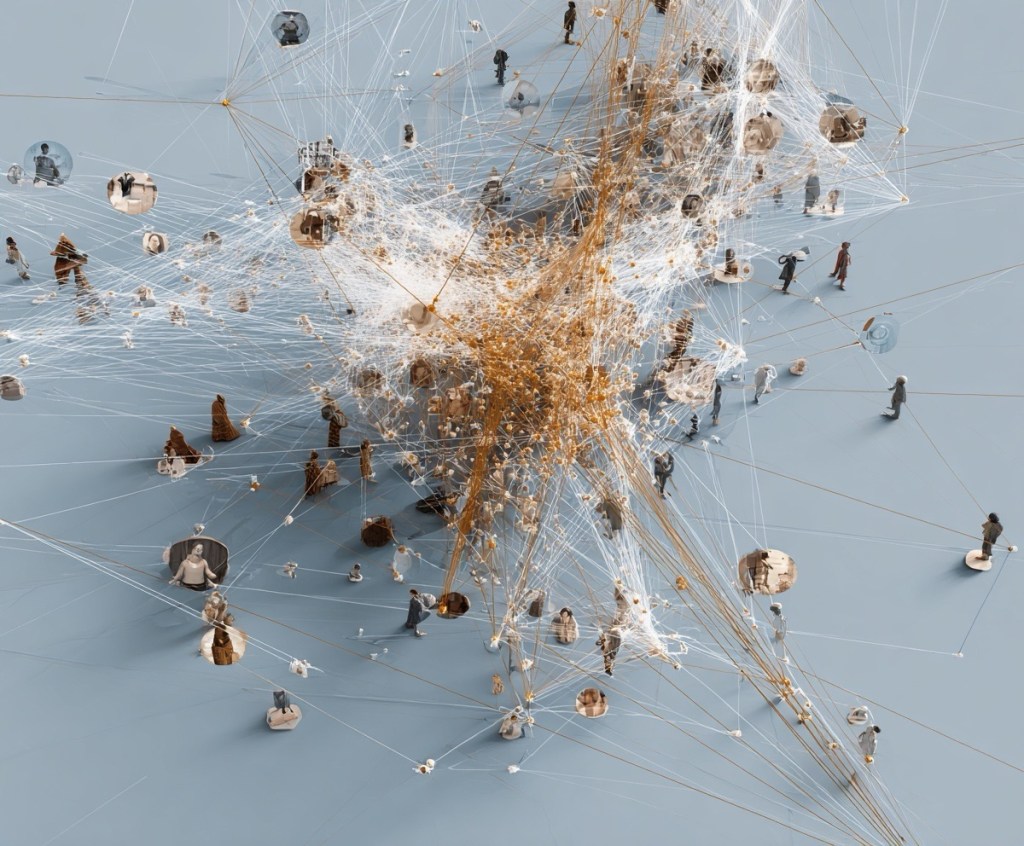
Knowledge trees and ontologies provide LLMs with clarity, structure, and factual grounding. When integrated into model pipelines, they significantly reduce… Read More
-
The History of Artificial Intelligence: From Myth to Machine
From ancient myths to modern neural networks, the story of Artificial Intelligence is one of ambition, setbacks, and revolutionary breakthroughs.… Read More
 ARTIFATHOM labs